Straight to the entry text
Nosentrik Health BlogTopic library
Menu

Topic library

Health topics, filed and explained plainly

Look up a blood pressure routine, a gentler way to clean your glasses or a fair read on reusable vapes. Each entry closes with who to ask when reading is no longer enough.

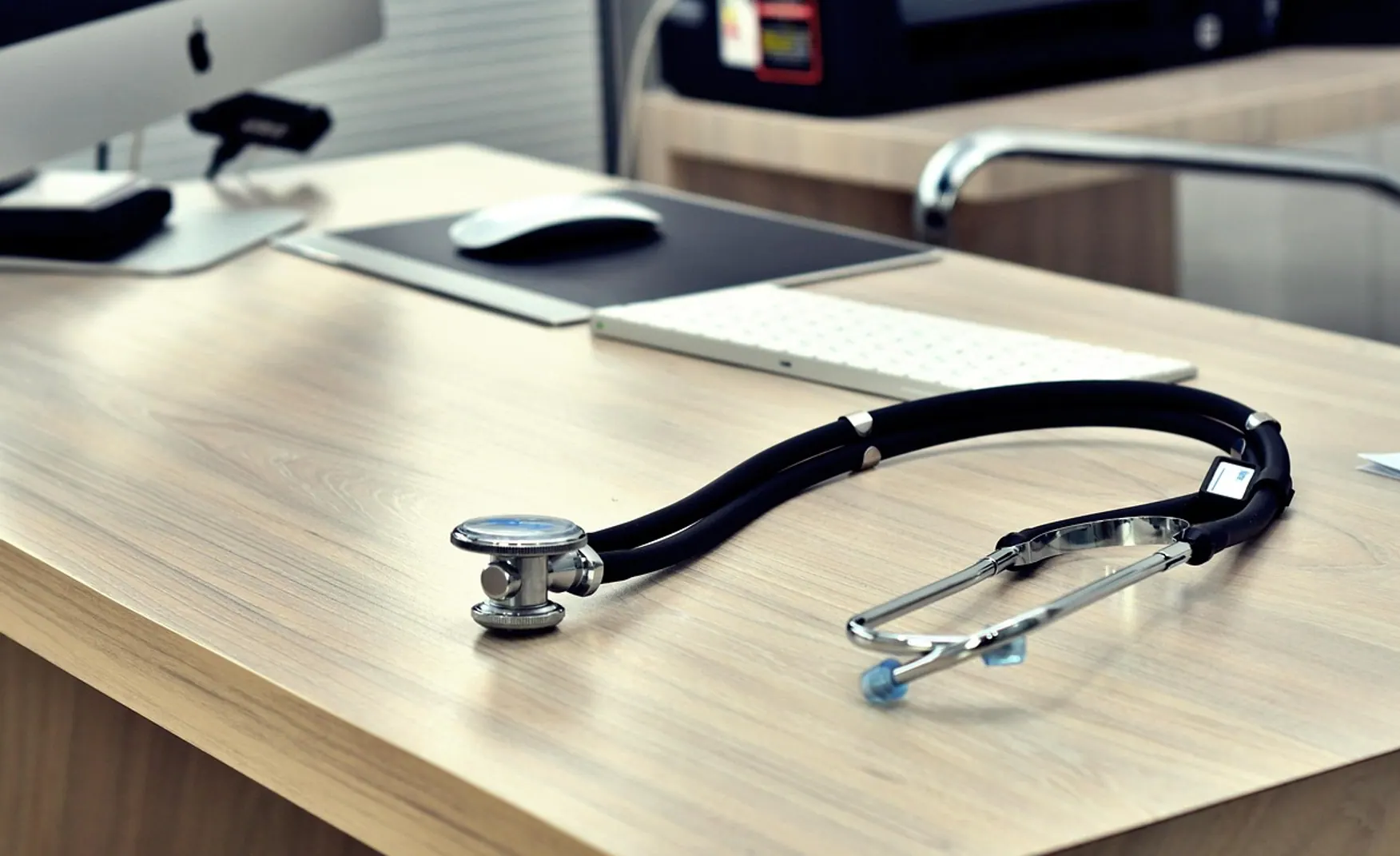
Stethoscope, doctor and health
Newest entryWhat Happens at a Routine Eye Exam (and How Often to Book One)

Alphabetical index

29 articles

Pinned entry · Health

The Power of Real-Time Updates on Hospital Digital Displays

2 min read

Hospitals run on information that changes by the minute. A clinic overruns, a bed becomes free, a lift goes out of service, a ward changes its visiting arrangements. When those updates travel by phone call, whiteboard and word of mouth, someone is always the last to know. Screens that refresh in real time give everyone in the building the same, current picture, and the benefits are easiest to see by following the different people who look at them over a single day.

The outpatient in the waiting area

For a patient waiting for a scan or consultation, uncertainty is often harder than the wait itself. A screen that shows how a clinic is running, calls patients by ticket number and explains delays helps people decide whether they have time to fetch a drink or move their car. Between updates, the same display can run short health messages, reminders about hand hygiene or information on support services, turning idle time into something useful without adding to anyone's workload.

On the ward and in the corridors

At a nurses' station, a live board can bring together information that would otherwise sit in several systems: which beds are free, which patients are waiting for transport, when the next handover is and what alerts have been issued. Seeing it at a glance saves calls and repeated questions. Because the content updates automatically from the source systems, the board does not depend on someone remembering to wipe and rewrite it.

Visitors benefit too. Large hospitals can be bewildering, especially for visitors who are anxious about a relative. Digital wayfinding screens at entrances and junctions can show routes to wards, the nearest lifts, cafés and pharmacies, and they can be changed instantly when a corridor closes for maintenance. That reduces the number of lost visitors stopping busy staff for directions.

The facilities and safety team

When something goes wrong, speed matters. A networked display system lets a central team push urgent notices, such as a fire alarm test, a closed entrance or changes to infection control guidance, to every relevant screen at once. Purpose-built digital signage displays are designed for this kind of continuous use, with bright, clear panels that stay readable in busy corridors and content that can be scheduled or updated remotely, which makes them a practical fit for healthcare buildings.

Rules that keep the screens trustworthy

Real-time displays only help if people trust what they show. Hospitals that use them well tend to agree a few ground rules:

PrincipleIn practice
Protect privacyNo patient names or identifiable details on public screens
Clear ownershipEach screen or content zone has a named team responsible for it
AccessibilityLarge text, strong contrast and plain language, ideally with audio or multilingual options
Fallback planA process for when the network or a screen fails
Calm designUrgent messages stand out because routine content stays quiet

Small screens, wider effects

Real-time displays will never replace a conversation with a nurse or doctor, and they should not try to. What they can do is remove some of the friction around care: fewer repeated questions, fewer people lost in corridors and fewer moments where staff work from out-of-date information. In a setting where attention is precious, that freed-up time can go back to patients.

Pinned entry · Health

What are the benefits of vaping eliquids as oppose to smoking cigarettes?

2 min read

Ask former smokers what surprised them most after moving to a vape and the answers are rarely about technology. They talk about coats that no longer smell of smoke, a car that feels fresher and not having to step outside in the rain every couple of hours. The case for e-liquids over cigarettes is partly about health and partly about these everyday details, and both are worth looking at with clear eyes.

The health picture, stated carefully

Cigarettes do most of their damage through burning. Lighting tobacco releases tar, carbon monoxide and many other toxic by-products into each breath. A vape heats a liquid, usually containing nicotine, flavourings, propylene glycol and vegetable glycerine, into an aerosol without combustion. Public health organisations in the UK broadly agree that, for a smoker who stops cigarettes altogether, switching to vaping substantially lowers the harm.

Less harmful is not the same as harmless. Nicotine is addictive, long-term effects are still being studied and nobody who has never smoked, and no young person, should pick up a vape. The benefit applies to adults who use it to replace cigarettes entirely, not to dual use.

Day-to-day differences people notice

AreaSmoking cigarettesVaping e-liquids
Lingering smellClings to hair, clothes, furnitureVapour clears quickly and smells far milder
BreathStale smoke odourUsually fresher, often taking on a hint of the flavour
RoutineLighters, ashtrays, cigarette breaksCharge the device and refill or swap a pod
Running costsA pack at a time, adding up quicklyAn upfront kit, then mainly liquid and coils

Family members often notice the change in smell before the person who switched does. That can make home life easier, though it is still courteous to vape away from children and to respect places where vaping is not allowed.

Choosing liquids that make switching stick

Finding a liquid you genuinely enjoy is one of the things that helps adults stay away from cigarettes. Flavour, nicotine strength and the type of nicotine all affect how satisfying a vape feels. A UK specialist retailer such as http://www.eliquiduk.com offers a broad range of e-liquids across flavour profiles and strengths, which makes it easier to experiment until something feels right. Many people start with a tobacco or menthol profile that feels familiar and later move to fruit or dessert flavours.

Buy from reputable sellers, check that products meet UK rules, and store bottles closed and somewhere children and animals cannot reach.

Practical steps for adult smokers

  1. Set a date to switch fully rather than mixing cigarettes and vaping long term.
  2. Ask a vape shop or pharmacist to help match a device and nicotine strength to how much you currently smoke.
  3. Keep a spare charged device or pod for the first few weeks, when cravings are strongest.
  4. Think about whether you would eventually like to reduce nicotine, and plan that gradually.

Local stop smoking services can provide free advice and combine vaping with behavioural support, which many people find makes a real difference. Anyone expecting a baby, living with heart or lung disease or on long-term prescriptions should check with their doctor first.

New entries

A good reading taken slowly is worth more than ten taken in a hurry.

Odran, on home blood pressure checks. Read the routine

Recently updated

EntrySubjectRevised
What Happens at a Routine Eye Exam (and How Often to Book One)Eye Care
How to Prevent Blood Clots in Your LegsHeart & Circulation
How to Strengthen Teeth and Protect Your EnamelTeeth & Gums
What Are Eye Floaters, and When Should You Get Them Checked?Eye Care
Systolic vs Diastolic Blood Pressure: What the Two Numbers MeanHeart & Circulation
What Do Healthy Gums Look Like? Signs to Check in the MirrorTeeth & Gums

Sorting a worry

Library, appointment or emergency?

A rough guide for common concerns. It cannot weigh up your own circumstances, so when in doubt, ask a professional early.

  1. Usually fine to read up on first

    • Eyes that feel tired after a long day at the laptop
    • Glasses that look smeared however often you wipe them
    • Wanting to learn how a home blood pressure cuff works
  2. Worth booking a routine visit

    • A jaw that aches most mornings or teeth that look worn
    • Home readings that often differ from what your GP expected
    • Blurred text that keeps returning despite breaks
    • Gums that still bleed after a week or two of gentle cleaning
  3. Get urgent help today

    • Tightness or pain in the chest, above all with sweating or shortness of breath
    • Sudden loss of vision, flashes or a shadow across your sight
    • Weakness on one side, a drooping face or slurred speech
    • Fainting together with a racing or very slow heartbeat

If you think a situation could be life-threatening, phone your local emergency number before anything else.