
Mindful Motherhood: The Benefits of Writing Through Pregnancy
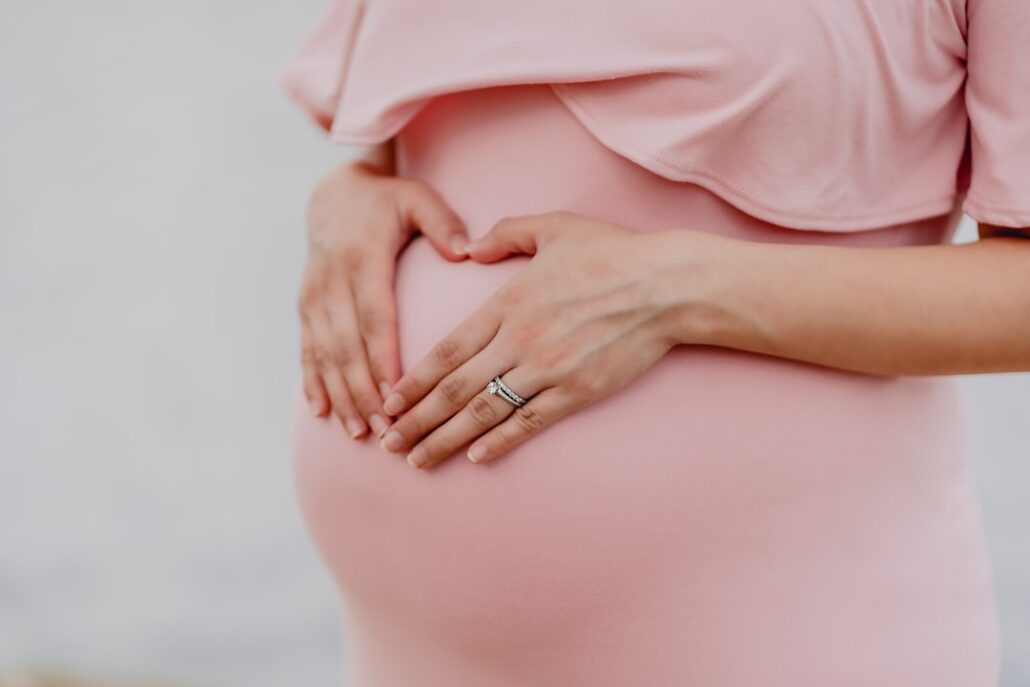
Pregnancy is often described as a season of anticipation, but it is also a season of constant change. Bodies shift, routines evolve, emotions deepen, and expectations about motherhood begin to take shape long before birth. In the middle of medical appointments, practical planning, and everyday responsibilities, many women look for ways to feel more grounded. One of the simplest and most powerful tools is writing. Whether it takes the form of journaling, letters to a baby, reflective notes, or short daily observations, writing through pregnancy can support emotional wellbeing, strengthen self-awareness, and help mothers move into this life stage with greater calm and clarity.
Writing Creates Space for Emotional Awareness
Pregnancy can bring joy, gratitude, fear, excitement, uncertainty, and vulnerability, sometimes all in the same day. Writing offers a private place to name those feelings without judgment. When thoughts remain unspoken, they can feel heavier and more confusing. Once they are written down, they often become easier to understand.
This is one of the clearest benefits of mindful writing during pregnancy: it helps turn emotional noise into reflection. Instead of pushing away difficult feelings, mothers can notice them, describe them, and respond to them with more compassion. This process supports mindfulness because it encourages attention to the present moment rather than spiraling into worst-case scenarios or future worries.
Writing can also reveal patterns. A mother might notice that certain concerns come up before appointments, that fatigue affects mood more than expected, or that gratitude increases after moments of rest. These observations are valuable. They allow women to care for themselves more intentionally and to communicate more clearly with partners, midwives, or healthcare providers.
Even short entries can make a difference. A few honest sentences about how the day felt may reduce stress and create a sense of emotional release. Over time, this becomes more than journaling. It becomes a mindful practice of witnessing pregnancy as it unfolds.
Journaling Strengthens the Connection to Pregnancy and Baby
Pregnancy can feel deeply personal, but it can also feel strangely abstract, especially in the early months when changes are happening internally. Writing helps make the experience more tangible. Recording symptoms, milestones, cravings, dreams, and reflections turns pregnancy into a story that can be remembered rather than a blur of passing weeks.
Many mothers find that writing helps them build a meaningful connection with their baby before birth. A journal entry can become a conversation. A letter can become a record of love, hope, and intention. These moments may seem small, but they often become treasured later, both for the parent and, eventually, for the child.
Writing also complements practical preparation. Alongside reflections, many women track questions, physical changes, and appointments to feel more informed and organised. Using tools such as a pregnancy planner can support that process, while personal writing adds the emotional depth that checklists alone cannot provide.
When mothers write regularly, they often become more aware of the subtle ways pregnancy is shaping them. They may notice how their values are shifting, what kind of parent they hope to be, or what memories they want to preserve. This deepens not only the bond with the baby but also the understanding of themselves in a new role.
Mindful Writing Can Reduce Stress and Support Mental Wellbeing
Pregnancy wellness is not only about physical health. Mental and emotional wellbeing matter greatly, and writing can play a meaningful role in supporting both. Reflective writing has long been associated with stress reduction because it helps people process thoughts rather than carrying them all internally.
During pregnancy, worries may focus on labor, changing identity, work, relationships, body image, or the unknowns of parenthood. Writing can slow those thoughts down. Instead of letting anxiety stay vague and overwhelming, it gives worries shape. Once concerns are on the page, they can be explored more realistically and responded to more gently.
For many mothers, writing becomes a grounding ritual. It may happen in the morning before the day becomes busy or in the evening as a way to decompress. This consistency can create a sense of stability during a time when so much feels in transition.
- It encourages self-regulation: writing helps identify emotions before they become overwhelming.
- It promotes perspective: reading earlier entries often reminds mothers how much they have already navigated.
- It supports gratitude: even difficult days often contain moments worth noticing.
- It builds resilience: documenting challenges can reveal personal strength and growth.
Importantly, mindful writing does not require perfect language or long entries. It is not about producing something polished. It is about creating a safe and honest space. A few lines that begin with Today I noticed… or Right now I need… can be enough to reconnect a mother with herself.
Writing Helps Mothers Prepare for the Transition Into Parenthood
Pregnancy is not only preparation for birth. It is also preparation for identity change. A woman may be becoming a mother for the first time, or she may be stepping into motherhood in a new way with another child. Writing helps clarify that transition because it allows space to reflect on expectations, boundaries, fears, and hopes.
Some of the most helpful writing prompts during pregnancy are simple:
- What kind of support will be needed after the baby arrives?
- What beliefs about motherhood feel helpful, and which ones create pressure?
- What values should guide this new chapter?
- What does rest, connection, and care look like in daily life?
These questions encourage thoughtful preparation beyond nursery plans and hospital bags. They help mothers consider emotional readiness, communication with partners, and practical ways to protect wellbeing in the postpartum period.
Writing can also preserve perspective for the future. In the demanding early weeks with a newborn, many parents forget how much they felt and learned during pregnancy. A journal becomes a record of transformation. It reminds them not only of what happened, but of who they were becoming along the way.
For those who choose to revisit these pages later, the experience can be profound. The written record often reveals growth that was difficult to see in real time: courage through uncertainty, tenderness in vulnerability, and wisdom gathered one week at a time.
Mindful motherhood begins before birth. Writing through pregnancy offers more than memory-keeping. It supports emotional awareness, strengthens connection, reduces stress, and helps mothers prepare for the lifelong transition into parenthood. In a season filled with advice and external noise, the page offers something quieter and deeply valuable: a place to listen inward. By making room for reflection, mothers can move through pregnancy with greater presence, compassion, and confidence.
